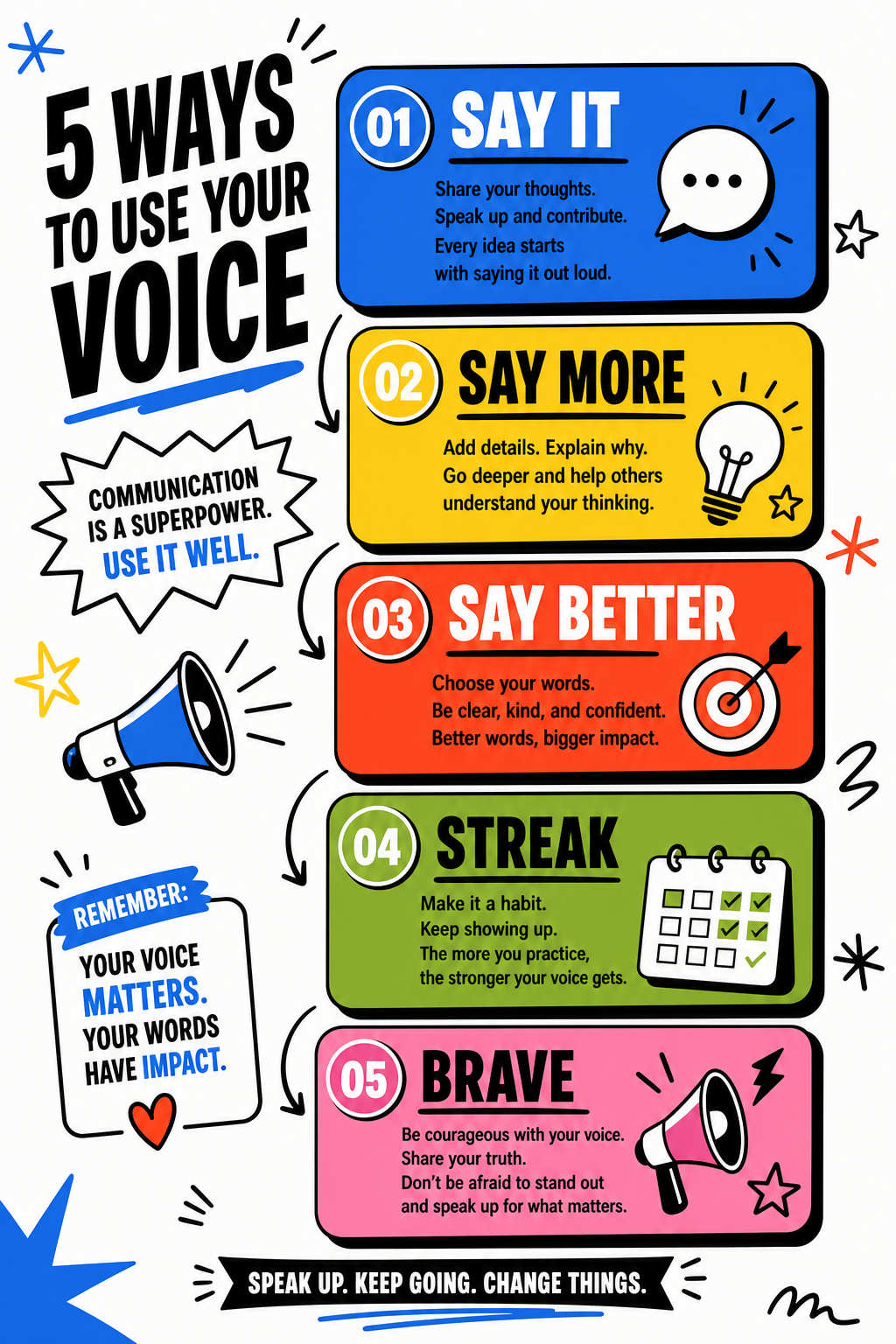
Every Form 5 group chat has the same confession: “I know the points, I just can’t say them.” We treat speaking like a memory problem. It isn’t. It’s a retrieval problem under pressure — and your brain only builds that pathway when sound leaves your mouth.
Reading a model answer silently is like watching someone else jog. You get the route. You don’t get the lungs. Paper 3 doesn’t mark the neat paragraph in your head; it marks the version that survives a live minute — fillers, recoveries, the second sentence when the examiner says “tell me more.”
In the Lab we run a simple swap. Same topic card. First pass: read your points quietly. Second pass: stand up, phone on voice memo, say them like you’re explaining to a cousin who missed class. The second take is always uglier. It’s also the one that sticks the next morning.
There’s a Malaysian flavour to the freeze, too. We’re polite. We wait for the perfect sentence. In English that hesitation reads as empty air. Examiners aren’t hunting for BBC accents — they’re hunting for development. One idea, then a reason, then a small example from school, weekend, or “my mother always says…” That chain only appears if you’ve practised chaining out loud.
Try this tonight: pick one Paper 3 prompt. Set a timer for six minutes. Minute one — list three points in mono labels if you want. Minutes two to five — speak without stopping for more than two seconds. If you blank, steal a connector: “on top of that,” “for example,” “what I mean is.” Minute six — listen back once. Don’t cringe. Mark one place you can say more. That’s progress, not a score.
The students who improve fastest aren’t the ones with the thickest notes. They’re the ones whose bedrooms have heard the ugly first drafts. Your brain on speaking out loud is simply this: sound in, pattern stored, courage reusable. The highlighter can wait.
 05:12
05:12
Companion clip — “Make your group chat speak English”: three house rules that survive homework season.
If you want a visual of the climb — from “I freeze” to “I can expand” — keep the sticker map nearby. It isn’t a grade chart. It’s a reminder that level-ups are small, loud, and repeatable.